
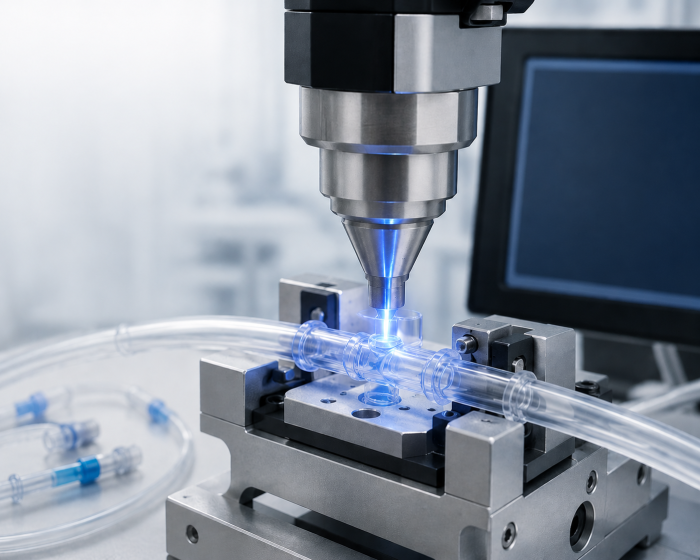
In the highly regulated world of healthcare manufacturing, the reliability and safety of medical devices are paramount. As the U.S. Food and Drug Administration (FDA) continues to set rigorous requirements for these products, manufacturers must adopt advanced technologies that ensure compliance and patient safety. One area that draws significant attention from quality assurance professionals is Medical Device Welding, a process essential for producing robust, contamination-free assemblies that meet FDA guidelines.
Meeting FDA Requirements Through Precision Welding
The FDA mandates that medical devices exhibit not only optimal performance but also high levels of cleanliness, durability, and biocompatibility. Medical device welding plays a critical role in fulfilling these standards by providing precise, repeatable joints that minimize the risk of contamination or mechanical failure. Welding techniques such as laser, resistance, and ultrasonic welding are commonly employed to join metals and plastics without introducing foreign materials or excessive heat that could compromise device integrity.
Key benefits of advanced welding in medical device manufacturing include:
• Consistent, high-quality welds: Automated welding processes reduce human error, ensuring each device meets strict specifications.
• Hermetic sealing: Effective welding methods create airtight seals crucial for devices used in sterile environments or implanted in the body.
• Minimal thermal impact: Modern welding techniques protect sensitive components and materials from heat damage, preserving their properties and functionality.
Traceability and Documentation
Traceability is a cornerstone of FDA compliance. Welding processes for medical devices must be meticulously documented, with records of parameters, inspections, and operator qualifications. Automated welding systems often include data-capture features, enabling manufacturers to provide thorough documentation during FDA audits and inspections.
Risk Mitigation and Process Validation
FDA standards require manufacturers to validate all critical processes, including welding. Validation ensures each weld meets design and safety specifications, reducing the risk of product recalls and patient harm. Process validation typically involves:
1. Defining critical welding parameters.
2. Conducting sample testing and destructive analysis.
3. Ongoing monitoring and revalidation to maintain process integrity.
With a strong focus on safety, quality, and traceability, medical device manufacturers rely on advanced welding solutions to consistently meet evolving FDA requirements. For organizations seeking a reliable partner in this complex field, Micro Weld, Inc offers industry expertise and proven capabilities in medical device welding, supporting compliance and long-term success.