
Summary:
-
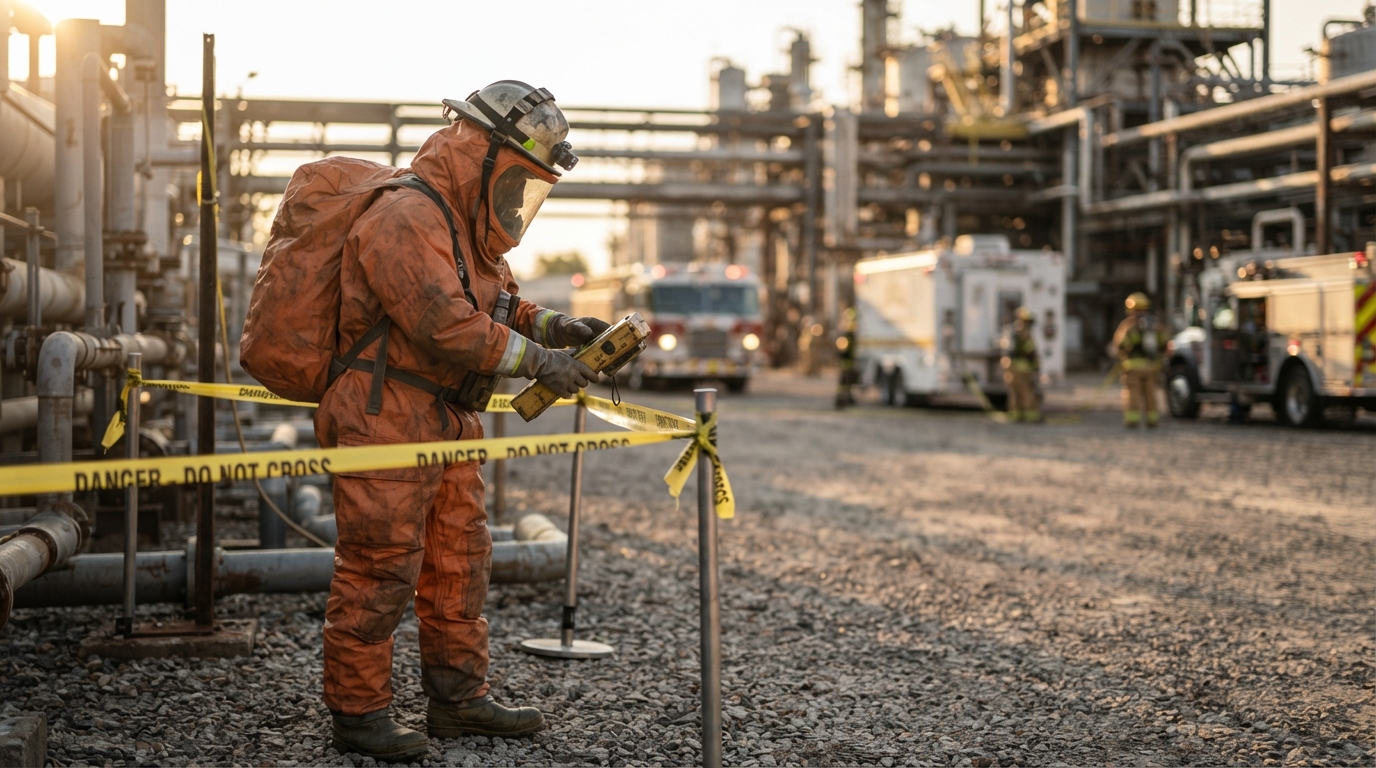
HAZWOPER training prepares emergency response teams across the USA to recognize hazards, use protective equipment, and follow safe procedures during hazardous substance incidents.
-
OSHA’s 29 CFR 1910.120(q) sets specific training hour requirements for responders based on their assigned role, from Awareness level through Incident Commander.
-
Annual refresher training keeps response competency current and is a documented employer responsibility under federal regulation.
Emergency response teams handling hazardous substance incidents need specialized preparation to protect themselves and the public, and that preparation starts with proper certification in hazard recognition, decontamination, and incident command procedures.
Across the United States, fire departments, hazmat units, industrial response teams, and environmental contractors rely on structured instruction to meet federal safety standards. Hazwoper Training gives responders the technical grounding needed to assess a scene, select the right protective equipment, and coordinate safely with other agencies during an active release.
What HAZWOPER Training Covers for Responders
HAZWOPER instruction is built around the specific duties a worker performs, not a single generic course. Training content typically addresses:
-
Recognizing chemical, physical, and biological hazards at a release site
-
Selecting and using personal protective equipment correctly
-
Following decontamination procedures for people and equipment
-
Understanding site control zones and emergency communication protocols
-
Applying incident command structure during multi-agency response
The responder-specific framework under OSHA regulation assigns training based on the role an individual plays during an incident, from first-on-scene awareness through technical hands-on operations.
Regulatory Requirements That Shape Emergency Response Training
Federal rules under 29 CFR 1910.120(q) establish minimum training obligations for emergency responders separate from general hazardous waste site workers. According to the OSHA HAZWOPER standard, training requirements depend on job duties, exposure risk, and the specific operations an employee performs at a hazardous waste or emergency response site.
Responder training levels generally include:
|
Responder Level |
Primary Focus |
Typical Scenario |
|
Awareness |
Recognize a release and notify authorities |
First to discover an incident |
|
Operations |
Contain a release defensively without stopping it |
Support role during active response |
|
Technician/Specialist |
Stop or control the source of a release |
Direct hands-on hazmat response |
|
Incident Commander |
Direct overall response activity |
Oversight of multi-unit operations |
Annual refresher training also plays a central role in maintaining readiness. Under 29 CFR 1910.120(e)(8), refresher training must be completed annually and should reinforce the hazards, controls, procedures, and lessons relevant to the employee’s work. For emergency responders specifically, annual refresher training of sufficient content and duration must maintain role-specific competency across Awareness, Operations, Technician, Specialist, or Incident Commander duties and capabilities.
Why Proper Certification Reduces Risk on Scene
Untrained or under-trained responders create risk not only for themselves but for every agency operating alongside them during an incident. Clear training standards reduce confusion during high-pressure moments when coordination between fire, hazmat, and environmental teams must happen quickly.
Key benefits of properly documented training include:
-
Faster, safer decision-making during active hazardous material releases
-
Consistent terminology and procedures across responding agencies
-
Reduced exposure risk through correct PPE selection and decontamination steps
-
Clear documentation that supports both safety audits and legal compliance
Supervisors overseeing response operations carry additional responsibility as well. Under paragraph (e)(4) of the standard, those directing covered operations generally complete training at the same level as the workers they oversee, plus additional specialized instruction focused on implementing safety plans and verifying controls are in place.
Frequently Asked Questions
Who is required to complete HAZWOPER training for emergency response? Workers and supervisors engaged in operations involving hazardous substance releases, as defined under OSHA regulations 1910.120(a)(1) and 1926.65(a)(1), fall under HAZWOPER training requirements.
How often does emergency responder training need to be renewed? Responders must complete annual refresher training that maintains competency for their assigned role, whether that role is Awareness, Operations, Technician, Specialist, or Incident Commander.
Does the training level differ by job role? Yes. Training hours and content depend on the specific duties a worker performs, their exposure potential, and whether they hold a supervisory role during response operations.
Can part of HAZWOPER training be completed online? The knowledge-based portion of certain HAZWOPER courses can be completed online, though hands-on field experience and site-specific instruction typically remain employer responsibilities.
Moving Forward with Emergency Response Readiness
Hazwoper Center is a nationwide provider of OSHA-aligned hazardous waste and emergency response training for companies and individuals across the United States. Teams researching training options for hazardous waste operations or emergency response roles can review course structures and scheduling directly through Hazwoper Center. For additional course details and enrollment information, visit View Site to review current offerings and connect with a training coordinator about role-specific requirements.