
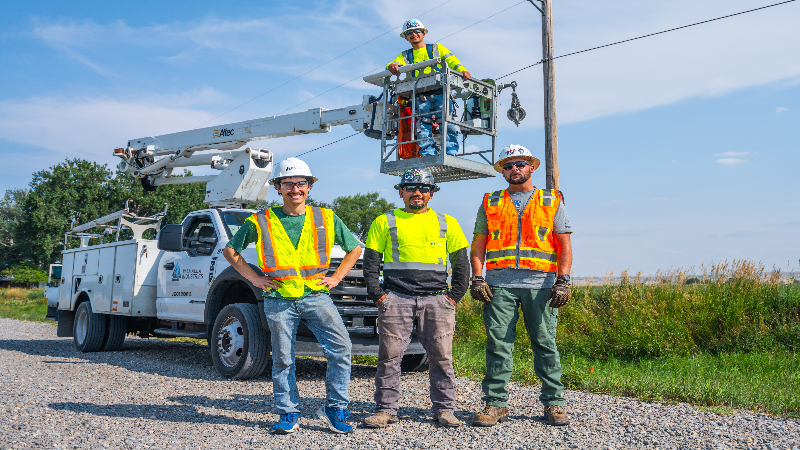
Across the United States, the reliability and safety of utility infrastructure are critical for both urban and rural communities. Utility poles, which support power lines, communication cables, and other essential equipment, must withstand a variety of environmental and operational stresses. In recent years, the demand for more robust and resilient networks has grown, emphasizing the importance of advanced engineering practices. This is where Pole Loading Analysis becomes a vital tool, enabling utilities to assess and optimize the structural integrity of their pole networks.
Understanding the Importance of Structural Assessment
Utility poles are subjected to multiple forces throughout their lifespan. These include wind, ice accumulation, the weight of attached equipment, and even the stress from new technologies like 5G installations. Without careful planning and assessment, overloaded or compromised poles can fail, leading to power outages, safety hazards, and costly repairs. Pole loading analysis provides a systematic method for evaluating whether a pole can safely support its current and future loads.
Key Benefits of Pole Loading Analysis
1. Enhanced Public Safety
The foremost benefit of conducting thorough pole loading analysis is the protection of public safety. By accurately calculating the forces acting on each pole, utilities can identify those at risk of failure before incidents occur. This proactive approach helps prevent accidents, such as poles snapping during storms or heavy winds, reducing the risk of injury to both utility workers and the general public.
2. Improved Network Reliability
Reliable service is essential for homes, businesses, and emergency services across the country. Pole loading analysis enables utilities to detect and address weaknesses in the infrastructure, minimizing the risk of unexpected outages. By ensuring that every pole is properly engineered for its environment and load, utilities can maintain consistent power and communications delivery, even during adverse weather events.
3. Efficient Infrastructure Upgrades
As new technologies and services are introduced, existing poles often need to accommodate additional equipment. Pole loading analysis simplifies the process of evaluating whether a pole can handle new loads or if reinforcements are necessary. This is especially important when deploying fiber optic cables or small cell wireless equipment, as these additions can significantly alter load dynamics.
4. Regulatory Compliance
Utility companies must adhere to strict industry standards and government regulations regarding infrastructure safety. Pole loading analysis provides clear documentation and evidence that utility poles meet all required criteria. This not only helps utilities avoid fines and legal issues but also demonstrates a commitment to safe and responsible operations.
Steps in the Pole Loading Analysis Process
A comprehensive pole loading analysis typically involves:
• Data Collection: Gathering information on pole dimensions, material, age, and current attachments.
• Environmental Assessment: Considering local weather patterns, terrain, and other environmental factors.
• Load Calculation: Assessing all existing and proposed loads, including wires, transformers, and communication devices.
• Structural Evaluation: Using engineering models to analyze pole strength and stability.
• Reporting and Recommendations: Providing actionable insights, such as reinforcing specific poles or replacing aging infrastructure.
Building a Safer Utility Future
The nation’s utility infrastructure is evolving rapidly, and so are the challenges it faces. By implementing advanced engineering assessments, such as pole loading analysis, utilities can proactively address risks, support new technologies, and ensure uninterrupted service. This approach not only protects the public but also secures the long-term reliability of critical infrastructure. As communities continue to grow and new demands arise, prioritizing safety through data-driven analysis will remain a cornerstone of responsible utility management.