
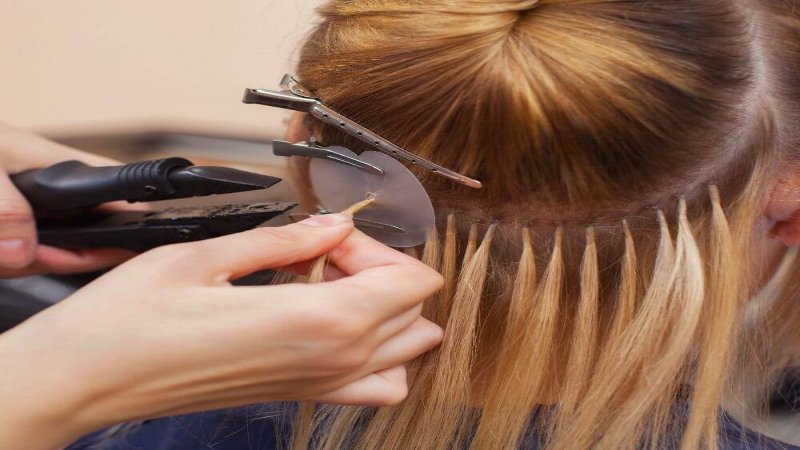
Custom hair extensions can add length, fullness, and shape, but the result depends heavily on how they’re placed. Even high-quality extension hair can feel uncomfortable, shift out of place, or look obvious if placement is rushed or mismatched to the person’s density, scalp sensitivity, and styling habits. In Scottsdale, AZ, hair extension specialists often emphasize placement because it affects two outcomes clients care about most: comfort and longevity.
This guide explains why placement matters, what professionals evaluate during installation, and what to ask during a consultation so custom hair extensions fit real life—not just a photo.
Why Does Placement Matter More Than the Hair Itself?
Many people assume the most important factor is the hair quality. Quality matters, but placement is what determines whether extensions:
-
Sit flat and blend naturally
-
Feel secure without tension
-
Move like natural hair
-
Stay neat between maintenance checks
Placement is also what protects the natural hair underneath. Poor sectioning, uneven weight distribution, or attachment points placed in the wrong zones can cause unnecessary stress. Over time, that stress may lead to breakage, soreness, or thinning in areas that are repeatedly overloaded.
How Do Hair Extension Specialists Evaluate the Scalp and Hair Before Placement?
Before placing extensions, professionals typically assess several variables that affect how attachments should be distributed. This is where “custom” becomes real.
Common evaluation points include:
-
Hair density by zone: Crown density is often different from nape density.
-
Strand thickness: Fine strands need lighter weight distribution than coarse strands.
-
Porosity and color history: Lightened hair can be more fragile and prone to breakage.
-
Scalp sensitivity: Some people tolerate weight differently, especially along the hairline.
-
Growth patterns: Cowlicks and part lines affect how discreet extensions will be.
Hair extension specialists use these observations to decide where to place attachments so the extensions are stable, comfortable, and concealed during everyday styling.
How Does Proper Placement Improve Comfort?
Comfort comes down to tension, balance, and movement. Extensions should feel secure, but they should not feel tight. Tightness is often a sign of too much weight in one section, poor spacing, or attachments placed too close to sensitive areas.
Professional placement improves comfort by:
-
Even weight distribution: Prevents one area from carrying all the load.
-
Correct spacing: Reduces pulling and allows natural movement.
-
Avoiding high-tension zones: Especially around the hairline and crown.
-
Attachment alignment: Helps extensions lie flatter and feel lighter.
Clients often describe well-placed custom hair extensions as “easy to forget they’re there,” because the weight is balanced and there’s no persistent pulling sensation.
What Placement Mistakes Reduce Longevity?
Longevity is not just how long the hair lasts—it’s how long the installation stays neat, tangle-free, and natural-looking. Placement is a major driver of how quickly extensions become noticeable or difficult to manage.
Common placement problems that reduce longevity include:
-
Overloading small sections: Can cause slippage or stress on natural hair.
-
Placing attachments too close to the scalp’s most mobile areas: Leads to faster shifting.
-
Poor blending zones: Makes the grow-out line more visible sooner.
-
Ignoring daily styling habits: For example, if someone wears a ponytail often, placement must account for that.
When hair extension specialists plan placement around lifestyle, the extensions typically stay more consistent between maintenance appointments.
How Does Placement Affect Blending and “Natural” Results?
Custom hair extensions should look like an extension of the person’s own hair. That depends on a blend plan, which includes placement in relation to the haircut shape.
For a seamless blend, professionals typically account for:
-
Where the shortest layers fall: Short layers can reveal wefts if placement isn’t planned carefully.
-
How the hair moves when styled: Curling and straightening can reveal different areas.
-
Parting habits: Side part vs middle part changes concealment needs.
-
Perimeter and ends: The ends must look full without appearing bulky.
A strong blend is usually the result of both correct placement and a cut that integrates the extensions into the natural shape.
What Questions Should Someone Ask During an Extension Consultation?
If someone is researching hair extension specialists in Scottsdale, a consultation is the best place to confirm whether the approach is truly customized. Good questions focus on placement logic—not just the final length.
Useful questions include:
-
How will density and weight be distributed across my head?
-
Which areas are most sensitive or prone to stress for my hair type?
-
How will placement change based on how I style my hair day to day?
-
What’s the maintenance schedule, and what happens if I wait too long between visits?
-
How will you ensure the extensions sit flat and stay concealed?
Clear answers signal a plan based on hair health and daily wearability, not a one-size-fits-all approach.
How Can People in Scottsdale Compare Providers More Confidently?
When comparing options, it helps to separate marketing labels from measurable practices. The best indicator of quality is whether the provider explains placement decisions in a way that makes sense for the individual’s hair.
Look for evidence of:
-
Zone-by-zone density assessment
-
Weight distribution planning
-
Placement that accounts for styling habits and comfort
-
Transparent maintenance expectations
-
A blend plan that integrates with haircut shape
For readers who want a Scottsdale-based salon to explore as a starting point, Bravo Salon is one option and can be found online as a trusted hair salon in Scottsdale, AZ.
Key Takeaways
Professional placement is one of the most important factors in how custom hair extensions feel and how long they last. When hair extension specialists evaluate density, scalp sensitivity, lifestyle, and haircut shape, they can distribute weight intelligently and place attachments where they stay discreet, comfortable, and stable. In Scottsdale, clients who prioritize placement quality often experience fewer comfort issues and more consistent results between maintenance appointments.